The Journey of Scent: How Perfumers Create Unique Fragrances

The Journey of Scent: How Perfumers Create Unique Fragrances
A fragrance can evoke memories, shape moods, and tell stories—without a single word. Behind every bottle lies a craft where art meets science. Perfumers, often called “noses,” work with an almost endless palette of scent notes to create something that feels both new and familiar. But how does an idea become a finished perfume, and what makes a scent truly unique?
From Inspiration to Creation – The Creative Process
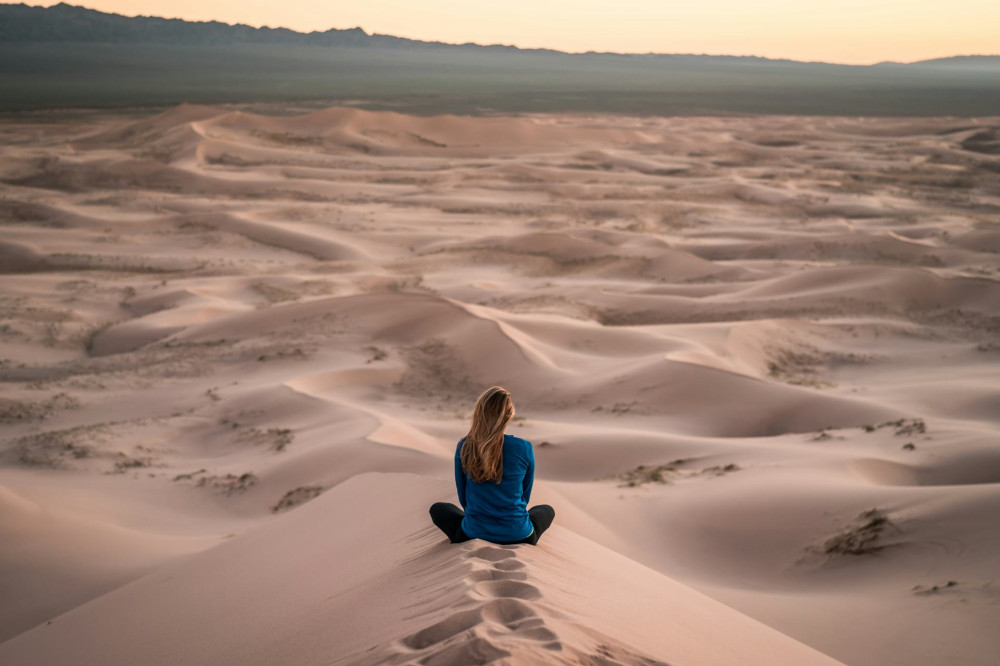
A perfume rarely begins with a formula; it begins with a feeling. It might be the memory of a road trip along the California coast, the aroma of freshly brewed coffee on a New York morning, or the warmth of desert air in Arizona. The perfumer translates these impressions into scent notes—the building blocks that together form a complete composition.
Often, a perfumer works from a theme or concept that a fashion house, designer, or brand wants to express. It could be “freedom,” “elegance,” or “mystery.” From there, the experimentation begins: drop by drop, essential oils, synthetic molecules, and natural extracts are blended until the fragrance reaches the perfect balance.
Læs også:
The Structure of a Fragrance – Top, Heart, and Base
A perfume unfolds like a symphony, revealing its layers over time:
- Top notes are the first impression—light and fresh, often citrus, herbs, or green accords. They fade quickly but set the tone.
- Heart notes form the character of the fragrance. Flowers, spices, and fruits connect the top and base, giving the scent its personality.
- Base notes are the deepest and most enduring—woods, amber, vanilla, or musk. They provide warmth and longevity.
The harmony between these layers determines how a perfume evolves from the first spritz to the lingering trace on the skin.
Nature and Chemistry in Harmony
While many associate perfume with nature’s aromas, modern chemistry plays a vital role. Some natural ingredients are rare, expensive, or ethically problematic to source—like animal-derived musk or endangered flowers. Synthetic alternatives allow perfumers to recreate these scents responsibly and with greater precision.
Synthetic molecules also open the door to entirely new olfactory experiences—scents that don’t exist in nature. The smell of rain on hot pavement or the metallic coolness of steel can only be born in the lab. This is where innovation thrives, blending imagination with molecular artistry.
Testing, Refining, and Patience
Once a formula is complete, the testing phase begins. The fragrance must be evaluated on different skin types, in various climates, and over time. A scent that feels bright in the lab may change character in the heat of a Texas summer or the humidity of Florida.
Perfumers often adjust the formula many times before the final version is approved. Achieving the right balance of intensity, longevity, and harmony can take months—or even years.
Every Fragrance Tells a Story
For many perfumers, the goal isn’t just to create something that smells pleasant—it’s to tell a story. A perfume can capture a person, a place, or a moment in time. It can express confidence, nostalgia, sensuality, or serenity.
When you choose a fragrance, you’re choosing a story to wear. That’s why the right scent can feel like part of your identity—something that speaks as clearly as your style or your words.
The Future of Fragrance – Sustainability and Technology
Today, the perfume industry is increasingly focused on sustainability. Many brands emphasize traceable ingredients, recyclable packaging, and responsibly sourced raw materials. At the same time, technology is transforming the way we experience scent. Artificial intelligence can now help design personalized fragrances based on individual preferences, while digital scent technology is beginning to merge aroma with virtual experiences.
The future of perfume isn’t just about how it smells—it’s about how it’s made, and the story it tells about our relationship with nature, technology, and ourselves.
Læs også: