Strong Nails All Winter – How to Protect Them from Cold and Moisture

Strong Nails All Winter – How to Protect Them from Cold and Moisture
When temperatures drop and the air turns dry, it’s not just your skin that suffers—your nails do too. Cold weather, indoor heating, and frequent handwashing can leave nails brittle, dry, and prone to breaking. But with the right care, you can keep them strong and healthy all season long. Here’s how to protect your nails from winter’s toughest challenges.
Why Winter Is Hard on Nails
Nails are made of keratin—the same protein found in your hair and skin. When humidity levels fall, nails lose moisture and become more fragile. Add to that the constant shift between cold outdoor air and dry indoor heat, and you’ve got a recipe for cracking and peeling.
Frequent handwashing and the use of hand sanitizers, which are common during cold and flu season, make things worse. They strip away the natural oils that protect both your skin and nails, leaving them dehydrated and weak.
Moisturize Daily—It’s Essential
The golden rule of winter nail care is moisture, moisture, and more moisture. Use a rich hand cream and a nourishing cuticle oil every day—especially after washing your hands.
- Cuticle oil with ingredients like jojoba, almond, or vitamin E penetrates the nail plate and strengthens it from within.
- Hand cream should be applied after every wash to restore hydration.
- Night care: Massage oil into your nails and cuticles before bed, and slip on cotton gloves overnight to lock in moisture.
Protect Your Hands from Cold and Water
Prevention is just as important as treatment. Always wear gloves when you go outside in cold weather and when you’re washing dishes or cleaning. Water, detergents, and cleaning products can quickly dry out your nails.
If your hands are often in water, wear cotton gloves under rubber gloves to reduce heat and moisture buildup, which can otherwise weaken nails and irritate skin.
Læs også:



Trim and File with Care
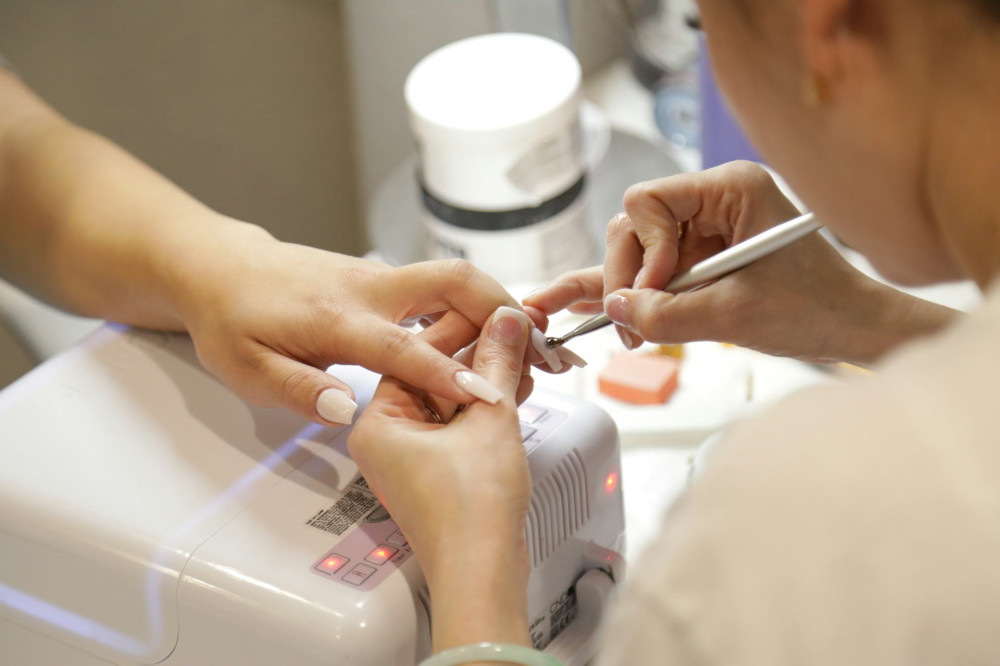
Nails are more delicate in winter, so handle them gently. Use a fine nail file and file in one direction to prevent splitting. Avoid metal files, which can be too harsh—opt for a glass or emery board instead.
Keep nails at a moderate length; long nails are more likely to break when they’re dry. And don’t forget your cuticles: after a warm hand soak, gently push them back instead of cutting them. They act as a natural barrier against bacteria.
Strengthen from the Inside Out
Healthy nails start with good nutrition. A balanced diet rich in protein, zinc, iron, and B vitamins helps nails grow strong and resilient. Foods like eggs, nuts, fish, and whole grains are excellent choices.
If your nails tend to be weak or brittle, a biotin supplement may help—but check with your healthcare provider before starting any new supplement.
Avoid Harsh Chemicals and Give Nails a Break
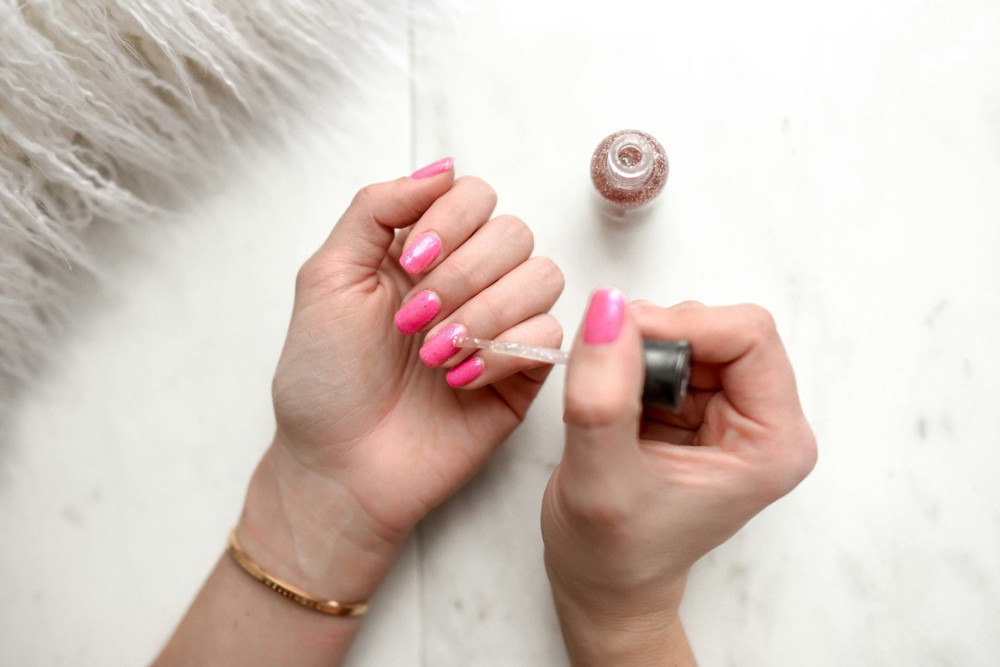
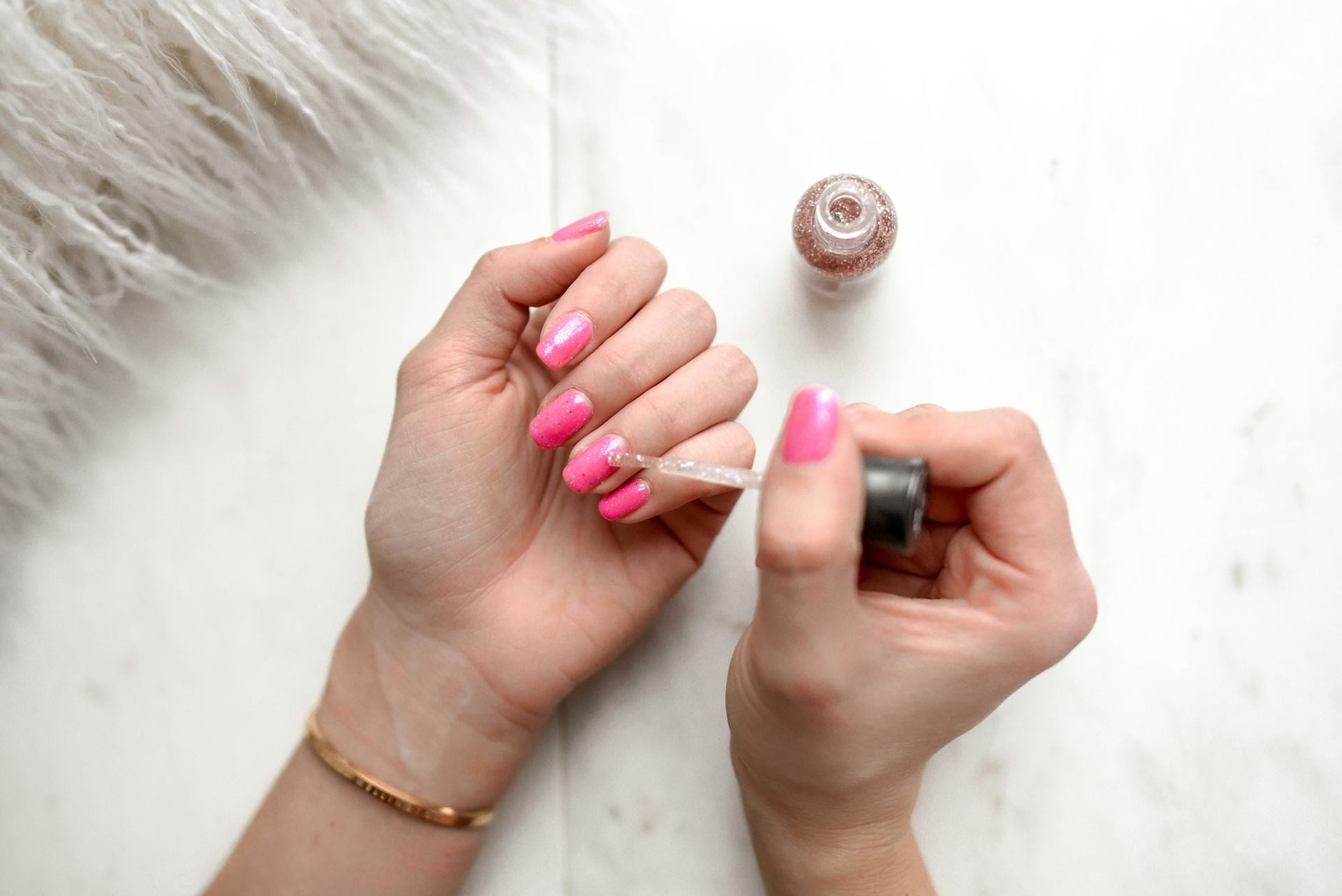
Nail polish and removers can be tough on nails, especially those containing acetone. Choose an acetone-free remover, and give your nails a break from polish now and then so they can “breathe” and rehydrate.
If you wear polish regularly, use a strengthening base coat to protect against discoloration and dryness. A clear top coat can also seal the surface and make nails more resistant to damage.
A Winter Routine That Works
Keeping your nails strong through winter is all about consistent, mindful care. Make it a habit to:
- Apply cuticle oil daily.
- Wear gloves outdoors and during cleaning.
- Limit the use of hand sanitizer when possible.
- Eat a balanced diet and stay hydrated.
- Give your nails regular breaks from polish.
With a little attention and the right habits, you can avoid dry, brittle nails and enjoy hands that look healthy and well-groomed all winter long—no matter how cold it gets.
Læs også: