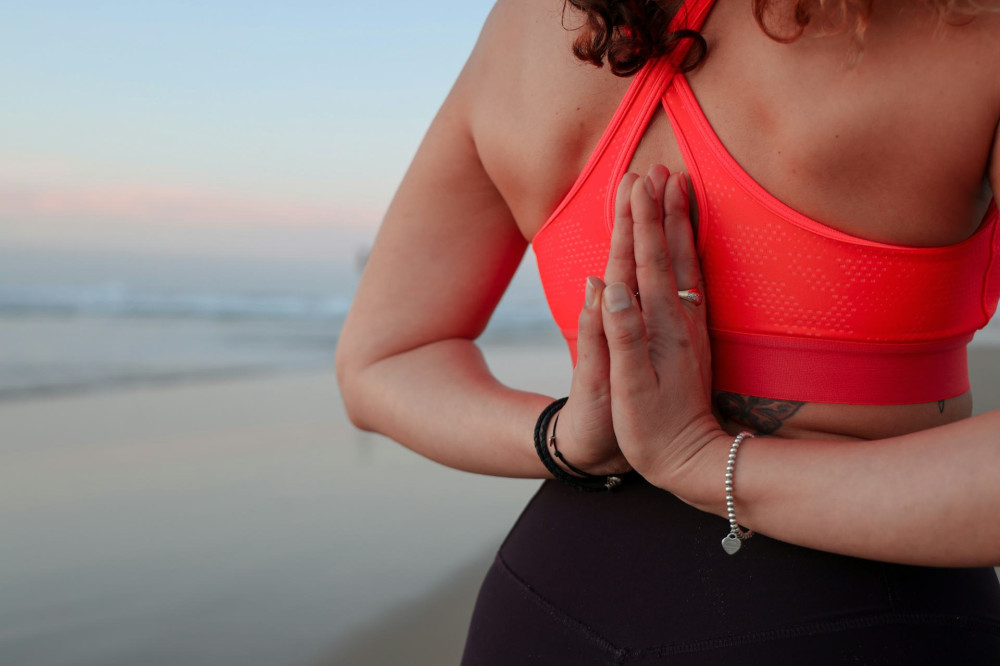
Postpartum Fitness with Balance: Reclaim Your Energy and Body Awareness

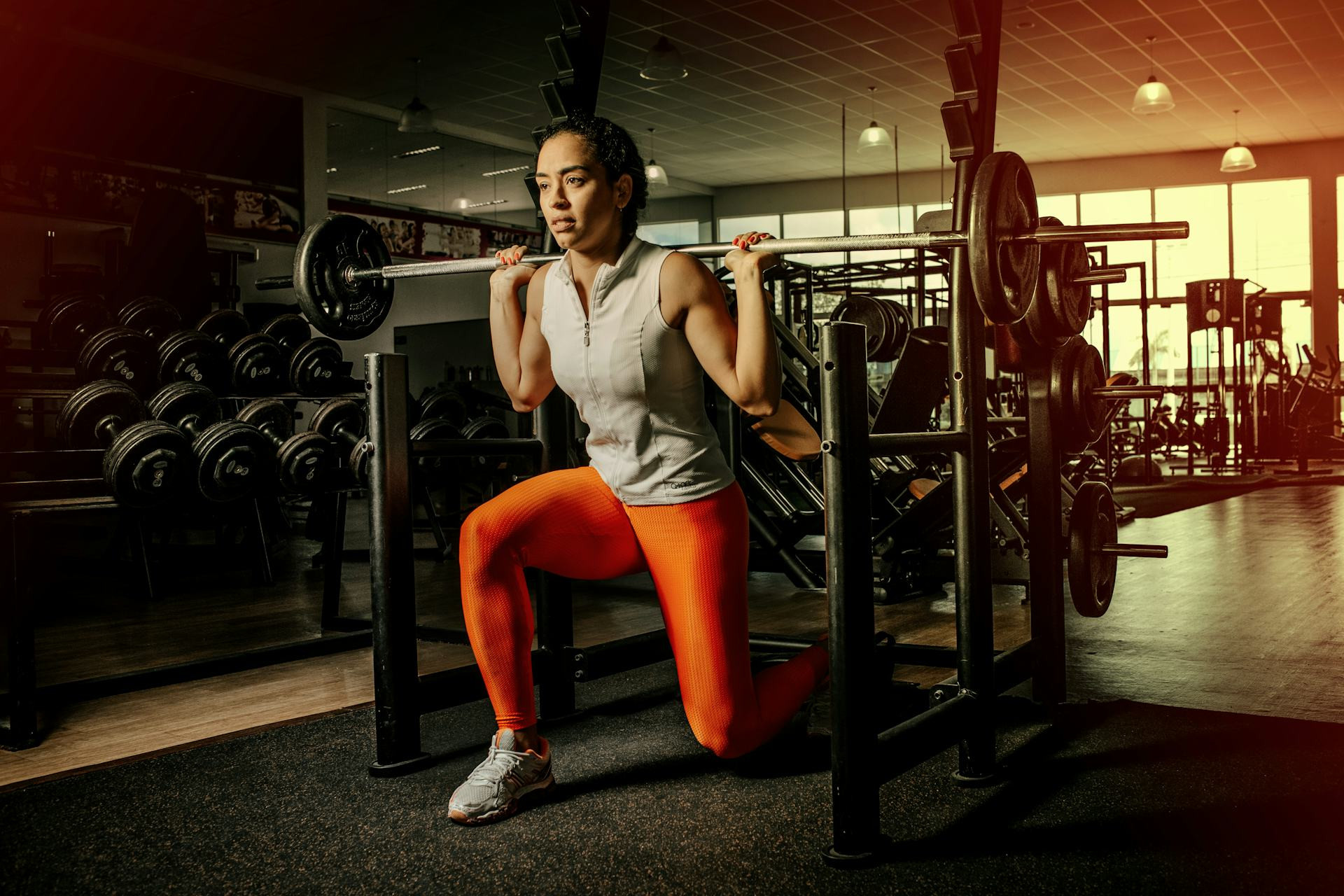
Postpartum Fitness with Balance: Reclaim Your Energy and Body Awareness
After pregnancy and childbirth, your body has gone through an incredible transformation. Muscles, joints, and hormones have worked overtime, and it takes patience and care to find your balance again. Postpartum fitness isn’t about “getting your old body back” — it’s about rebuilding strength, energy, and body awareness with respect for the journey your body has taken. Here’s how you can begin moving again in a way that supports recovery and well-being rather than pressure or perfection.
Start with Rest and Realistic Expectations
The first weeks after giving birth are all about healing. Your body needs rest, nourishment, and sleep more than structured workouts. When you start to feel ready, gentle movement can help you reconnect with your body.
Focus on breathing, posture, and your pelvic floor — these are the foundations for all later exercise. It’s common to feel disconnected from your pelvic floor at first. Practice short, mindful activations and give yourself time to rebuild that connection.
Pelvic Floor and Core — Your Inner Strength
Your pelvic floor and deep core muscles work together to stabilize your body. After pregnancy, these muscles may be weakened, which can lead to back pain, leakage, or a sense of instability.
Simple exercises like pelvic tilts, diaphragmatic breathing, and gentle core engagement can make a big difference. The goal isn’t to do as many reps as possible, but to move with awareness and control. If you’re unsure where to start, a pelvic health physical therapist can help you find the right level and technique.
Læs også:
Movement in Everyday Life
Once your healthcare provider gives you the go-ahead, you can gradually increase your activity level. You don’t need long workouts — small moments of movement throughout the day count too.
- Take stroller walks — fresh air and gentle movement benefit both body and mind.
- Do short strength sessions at home while your baby naps.
- Include your baby in your workouts — many exercises can be done with your baby on your chest or in your arms.
The key is to make movement a source of energy, not another task on your to-do list.
Listen to Your Body — and Let Go of Comparison
Every postpartum journey is unique. Some people feel strong again quickly, while others need more time. There’s no right or wrong timeline. Listen to your body — pain, fatigue, or discomfort are signs to slow down.
Avoid comparing yourself to others. Social media often shows unrealistic “bounce-back” stories. Your body has done something extraordinary, and it deserves patience and compassion.
Mental Energy and Self-Care
Postpartum fitness isn’t just about physical recovery — it’s also about mental well-being. Many new mothers experience emotional ups and downs, sleep deprivation, and the constant demands of caring for a newborn. Movement can be a powerful way to find calm and joy amid the chaos.
Even a few minutes of self-focused time — deep breathing, a quiet walk, or gentle stretching — can make a difference. Think of these moments as small acts of self-care that help you recharge.
When You’re Ready for More
After a few months, you may notice your body feeling stronger and more stable. This is a good time to explore more varied forms of exercise — such as yoga, Pilates, swimming, or light strength training. Choose activities that feel good and motivate you.
If you were active before pregnancy, you can gradually return to your favorite workouts, but build up slowly. A good rule of thumb: you should be able to move without pain, leakage, or abdominal discomfort.
A New Sense of Body Awareness
Ultimately, postpartum fitness is about rediscovering your body — not as it was before, but as it is now. Many women find a new appreciation for their body’s resilience and strength. It’s not about returning to the past, but embracing a new beginning.
When you move with balance, patience, and joy, exercise becomes more than a routine — it becomes a way to reconnect with your energy, confidence, and sense of self.
Læs også: