Breathe: How Breathing and Relaxation Can Help You Reduce Stress

Breathe: How Breathing and Relaxation Can Help You Reduce Stress
In a world that never seems to slow down—filled with deadlines, notifications, and constant demands—it’s easy to feel like your body and mind are always on high alert. Many of us breathe shallowly without even realizing it, yet our breath is one of the most powerful tools we have to calm the body and reduce stress. By combining mindful breathing with relaxation techniques, you can help restore balance and bring a sense of peace back into your daily life.
Why Your Breath Matters
When you’re stressed, your body reacts as if you’re facing danger. Your heart rate increases, your muscles tense, and your breathing becomes quick and shallow. This is the body’s natural “fight or flight” response. The problem arises when this state becomes chronic.
Slow, intentional breathing sends a message to your nervous system that it’s safe to relax. It activates the parasympathetic nervous system—the part responsible for rest, digestion, and recovery. In just a few minutes of focused breathing, you can lower your stress levels and create a sense of calm throughout your body.
Learn to Breathe Deeply
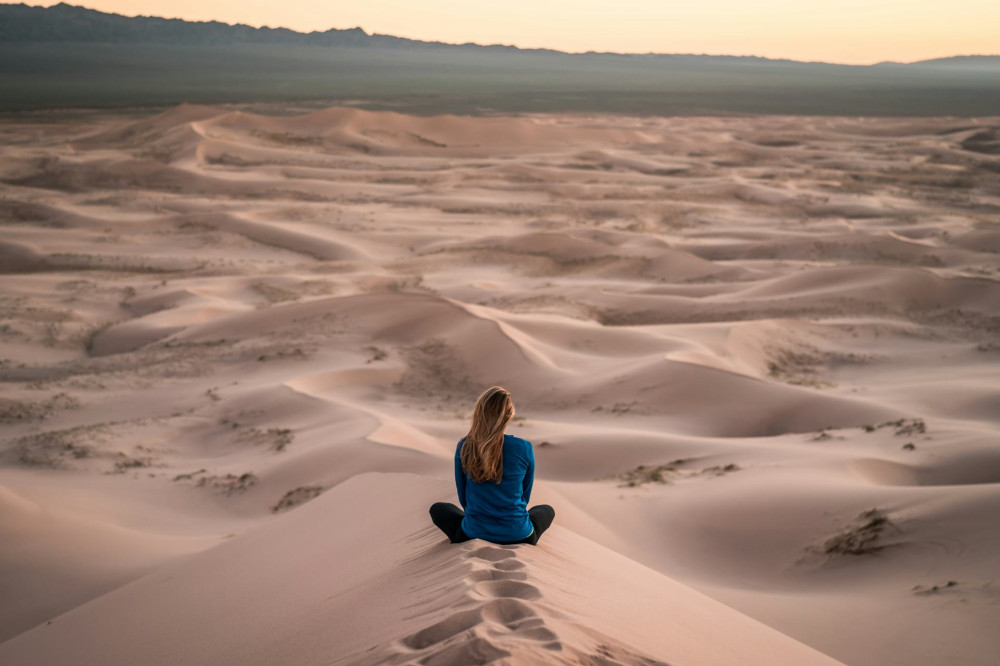
A simple exercise can make a big difference. Sit comfortably and place one hand on your abdomen. Inhale slowly through your nose, feeling your belly rise as it fills with air. Then exhale gently through your mouth. Repeat for a few minutes.
This type of deep breathing engages your diaphragm—the body’s main breathing muscle—and helps you take in more oxygen while releasing tension. Many people notice their shoulders drop and their thoughts slow down after just a few breaths.
Relaxation: The Body’s Reset Button
Relaxation is about giving your body permission to let go. It can take many forms—guided relaxation, yoga, meditation, or simply lying still and noticing your body. When you consciously relax, muscle tension decreases, and your blood pressure can drop.
One effective method is progressive muscle relaxation: tense a muscle group, such as your shoulders, for a few seconds, then release completely. Move through your body from head to toe. This practice helps you recognize the difference between tension and relaxation, making it easier to release hidden stress throughout the day.
Create Small Moments of Calm
You don’t need an hour-long session to feel the benefits. Short breaks of just a few minutes can make a real difference. Try:
- Taking three deep breaths before opening your email.
- Standing up to stretch between meetings.
- Closing your eyes and focusing on your breath while waiting in line.
These small pauses help your body reset and prevent stress from building up over time.
When Breathing Becomes a Habit
The benefits of breathing and relaxation techniques grow stronger when they become part of your daily routine. You might practice in the morning before your day begins or at night before bed. Many people find that regular practice not only reduces stress but also improves sleep, focus, and overall well-being.
If you’re not sure where to start, try using a mindfulness or breathing app, or look for guided exercises online. The key isn’t how long you practice—it’s that you do it consistently.
Læs også:
A Simple Tool with Powerful Results
Breathing may seem simple, but it’s one of the most effective tools you have to influence your body and mind. When you learn to use your breath intentionally and pair it with relaxation, you gain a natural way to manage stress—no matter how busy life gets.
So the next time you feel your shoulders tighten or your thoughts start to race, pause for a moment. Take a deep breath. It might just be the first step toward more calm, balance, and energy in your day.
Læs også: