Invest Wisely: How to Choose Furniture That Lasts for Years


Invest Wisely: How to Choose Furniture That Lasts for Years
When furnishing your home, it’s easy to be tempted by trends and quick deals. But furniture isn’t just decoration—it’s an investment in your everyday life. Quality, functionality, and durability should matter more than fleeting styles. With the right choices, you can create a home that looks beautiful and stands the test of time. Here’s how to choose furniture that lasts for years—both in style and strength.
Think Long-Term—Not Just About Looks
A stylish piece may catch your eye, but it’s the hidden qualities that determine how long it will last. Look for solid materials, sturdy construction, and timeless design. For example, a solid wood dining table can be sanded and refinished over time, while a cheaper particleboard table may warp or chip after a few years.
Ask yourself: Will I still love this piece five or ten years from now? If the answer is yes, you’re already on the right track toward a smart investment.
Materials That Stand the Test of Time
The materials you choose have a huge impact on how long your furniture will last. Here are some of the most durable options:
- Solid wood – strong, repairable, and naturally warm. Oak, maple, and walnut are American favorites that age beautifully.
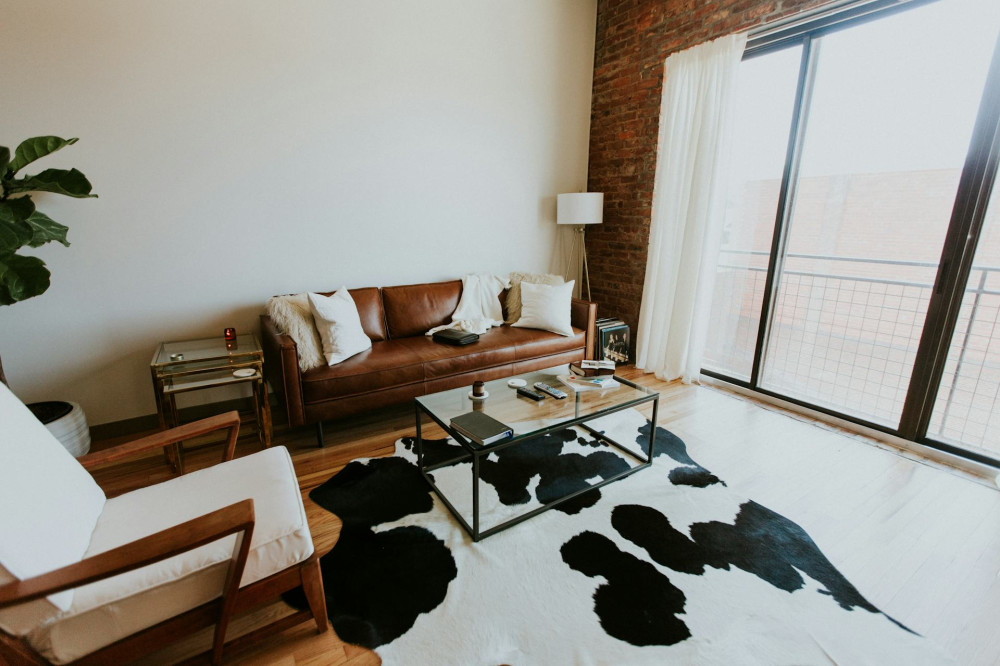
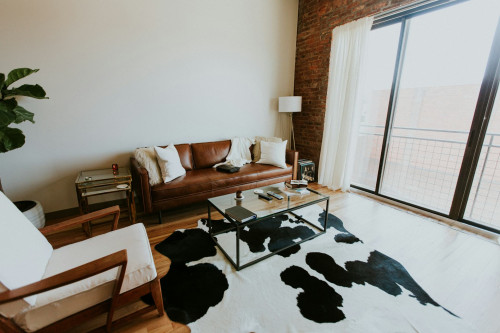
- Leather – develops character over time if properly cared for. Avoid faux leather, which tends to crack and peel.
- Wool and linen – natural fabrics that are breathable and resilient, great for upholstery and cushions.
- Metal and steel – ideal for frames and legs where strength and stability matter.
- High-quality plastic – can work well in modern designs if it’s UV-resistant and responsibly made.
Avoid materials that only look sturdy. Thin veneers or weak joints may look fine at first but can fail quickly under daily use.
Læs også:

Craftsmanship Makes the Difference
Even the best materials can be wasted on poor craftsmanship. Pay attention to details like joints, hardware, and finishes. Screws and fittings should be tight and secure, and joints should align cleanly without wobbling.
A good rule of thumb: test the furniture before buying. Sit in the chair, open the drawers, and feel how it moves. A piece that feels solid and balanced is usually built to last.
Choose Design That Endures—Not Just Trends
Trends come and go, but well-proportioned, simple designs rarely go out of style. Neutral colors and classic shapes can easily adapt to new décor over time.
Consider investing in fewer, higher-quality pieces that form the foundation of your home. You can always refresh your space with smaller, replaceable accents like pillows, lamps, or rugs to keep things current without sacrificing quality.
Maintenance Extends Lifespan
Even the best furniture needs care. A wooden table should be oiled or polished regularly, leather should be cleaned and conditioned, and fabrics should be vacuumed and rotated to prevent wear. Follow the manufacturer’s care instructions—they can make a big difference in longevity.
It’s also smart to think about maintenance before you buy. Ask how easy it is to replace parts, reupholster cushions, or refinish surfaces. The easier it is to repair, the longer your furniture will serve you.
Sustainability and Responsible Choices
Choosing long-lasting furniture is also an environmentally responsible decision. Quality means fewer replacements and less waste. Look for certifications like FSC (for wood) or OEKO-TEX (for textiles), which ensure responsible sourcing and production.
You might also consider buying secondhand or having older pieces reupholstered instead of discarding them. Many vintage or mid-century pieces can be restored beautifully—and often have more character than new ones.
An Investment in Comfort and Everyday Life
When you choose furniture thoughtfully, you’re not just buying objects—you’re investing in your comfort and well-being. A sturdy dining table, a supportive sofa, or an ergonomic chair can make daily life more enjoyable and last for decades with proper care.
Investing wisely isn’t about spending the most money—it’s about choosing with intention. When quality, function, and design come together, you’ll have furniture that delights the eye, supports your lifestyle, and truly stands the test of time.
Læs også: