A Bedroom of Calm: Materials and Moods That Create Relaxation


A Bedroom of Calm: Materials and Moods That Create Relaxation
A bedroom should be a sanctuary—a place where body and mind can unwind after a long day. But how do you design a space that truly invites rest and relaxation? The answer lies in the balance between materials, colors, light, and atmosphere. Here’s how to create a bedroom that radiates calm and comfort.
Natural Materials Bring Warmth and Comfort
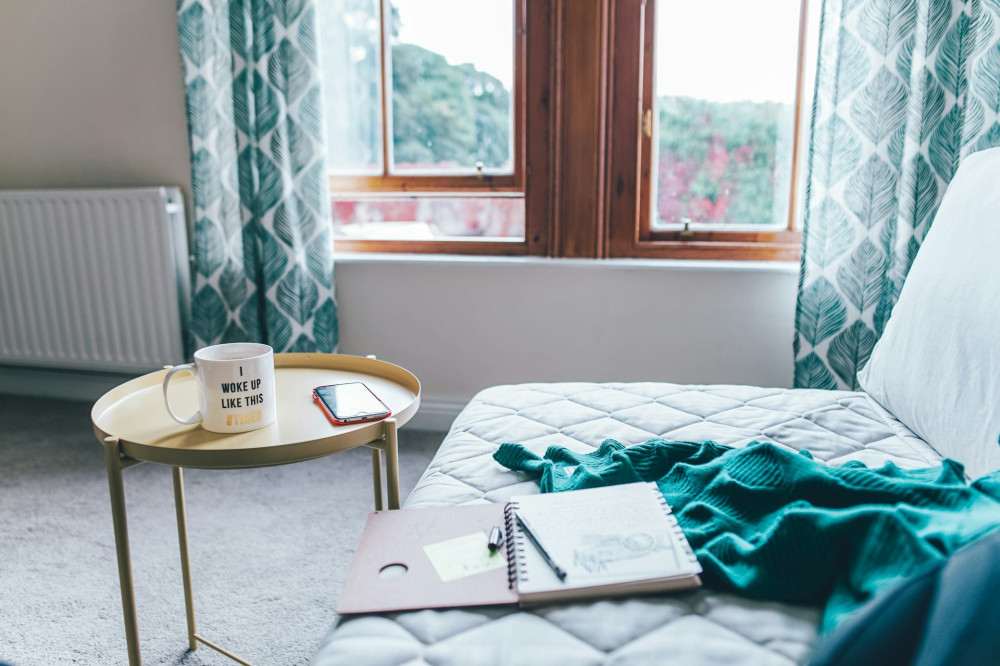
When choosing materials for your bedroom, look to nature for inspiration. Wood, cotton, linen, and wool create a tactile, soothing environment that feels grounded and welcoming. A wooden headboard, a woven wool rug, or a linen duvet cover can instantly make the space feel more serene.
Try to avoid too many synthetic materials, which can feel cold or impersonal. Instead, mix natural textures—a crisp linen sheet with a soft wool throw, for example. The combination of different surfaces adds depth and a sense of calm that appeals to both the eye and the touch.
Colors That Slow the Pace
Color has a powerful effect on mood. In the bedroom, the goal is to choose shades that quiet the senses and promote balance. Soft earth tones, muted greens and blues, or warm grays are all excellent choices. These hues echo the natural world and help the room feel peaceful and grounded.
If you want a touch of personality, add subtle accents through pillows, artwork, or ceramics—but keep the overall palette subdued. The sense of harmony comes from the whole, not from any single detail.
Lighting That Follows the Rhythm of the Day
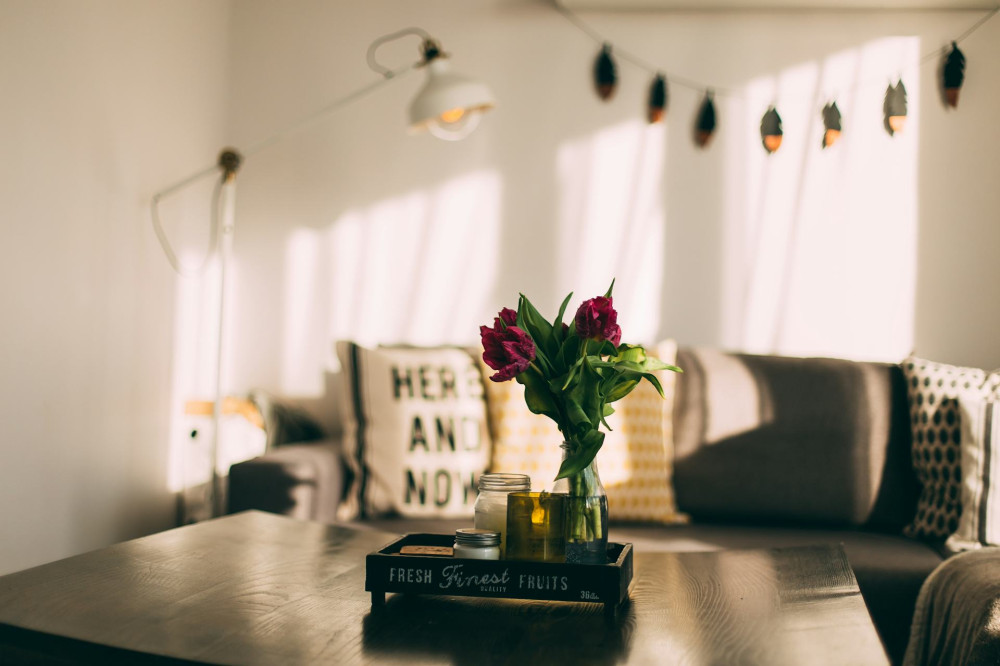
Lighting shapes how we experience a room. In the bedroom, it should be flexible—gentle and warm in the evening, brighter and more functional in the morning. Layer your lighting: a ceiling fixture with a dimmer, bedside lamps for reading, and perhaps a candle or salt lamp for a soft evening glow.
Avoid harsh, cool light that feels like an office. Choose bulbs with a warm tone (around 2700 kelvin) to create a cozy, natural ambiance. And whenever possible, let daylight play a central role—it’s the most calming light there is.
Textiles That Invite Rest
Your bedding is what you feel closest to, so quality matters. Choose breathable fabrics like organic cotton, linen, or bamboo, which regulate temperature and feel gentle against the skin. A well-made quilt and a few layered pillows can make the bed look inviting without feeling cluttered.
Window treatments also shape the mood. Heavy curtains can block light and dampen sound, while sheer panels filter sunlight and create a soft, airy feel. Combining both gives you flexibility—darkness for sleep, light for slow mornings.
Scent and Sound – The Overlooked Senses
A peaceful bedroom isn’t just about what you see and touch—it’s also about what you smell and hear. A hint of lavender, cedarwood, or chamomile can signal to your body that it’s time to relax. Try essential oils, a lightly scented candle, or a small bowl of dried herbs.
Sound matters just as much. Eliminate buzzing electronics and hard surfaces that echo noise. Rugs, curtains, and upholstered furniture absorb sound and make the room quieter. If you live in a noisy area, a white noise machine or gentle background music can help create a consistent, soothing soundscape.
Simplicity Brings Balance
A calm bedroom is rarely crowded. Clutter can create tension, even when you don’t consciously notice it. Aim for simplicity and purpose—keep only what you truly need. A few meaningful objects, a plant, or a framed photo can add personality without overwhelming the space.
Be mindful of technology, too. Keep screens and chargers away from the bed, and let your bedroom be a place to disconnect. Your sleep—and your peace of mind—will thank you.
Læs også:



A Space for Stillness—and for You
Designing your bedroom is ultimately about creating a space that feels like your own. A place where you can breathe deeply, slow down, and let go of the day. With the right materials, colors, and atmosphere, you can transform your bedroom from a functional space into a personal retreat—a place where every day begins and ends in balance.
Læs også: