Health and Flavor in Balance: Turning Everyday Meals into an Experience

Health and Flavor in Balance: Turning Everyday Meals into an Experience
Many people associate healthy eating with sacrifice—fewer calories, less fat, and a constant battle against temptation. But health and flavor don’t have to be opposites. In fact, they can complement each other beautifully when you learn to use ingredients, spices, and cooking methods that satisfy both your body and your senses. Everyday meals can become an experience if you’re willing to think a little differently and take the time to enjoy the process.
From Routine to Enjoyment
For many Americans, cooking is a practical necessity squeezed between work, family, and other responsibilities. But when we start to see meals as more than just fuel, the experience changes. Cooking can become a pause in the day—a moment to unwind, to smell, to taste, and to notice how ingredients transform.
It’s not about spending hours in the kitchen. It’s about being present. Slice vegetables calmly, taste your dressing as you go, and let the aroma of something baking fill your home. When cooking becomes a sensory experience, the result is often both healthier and more satisfying.
Flavor as the Key to Health
One of the biggest challenges in eating well is the belief that healthy food is bland. But flavor doesn’t depend on sugar, butter, or cream—it comes from the balance of acidity, sweetness, salt, bitterness, and umami.
- Use fresh herbs like basil, cilantro, and thyme to bring dishes to life.
- Play with acidity from lemon, vinegar, or yogurt to add brightness.
- Add texture—crunchy nuts, seeds, or roasted vegetables give meals character.
- Experiment with spices from around the world—cumin, chili, ginger, and cinnamon can transform even simple dishes.
When flavor takes center stage, it becomes easier to choose wholesome ingredients because they actually taste good.
Planning That Makes It Easy
A healthy, flavorful lifestyle doesn’t require perfection, but a little planning goes a long way. Spend part of your Sunday prepping a few basics—cooked grains, roasted vegetables, or a homemade dressing—so you can assemble quick meals during the week.
Create a meal plan that fits your schedule, with options for both busy nights and slower evenings. This helps you avoid last-minute takeout or processed foods that are often less nutritious. And remember: it’s perfectly fine to repeat your favorites. Variety isn’t about constant novelty—it’s about balance over time.
Eat with All Your Senses
Healthy eating isn’t just about nutrients—it’s about the experience. Set the table nicely, even on a weeknight. Eat slowly, and notice the colors, aromas, and textures on your plate. When you eat mindfully, you feel full and satisfied sooner.
Many people find that mindful eating—being present during a meal—helps them tune in to their body’s signals and avoid overeating. It’s a simple way to create harmony between enjoyment and health.
Læs også:


Everyday Food with Personality
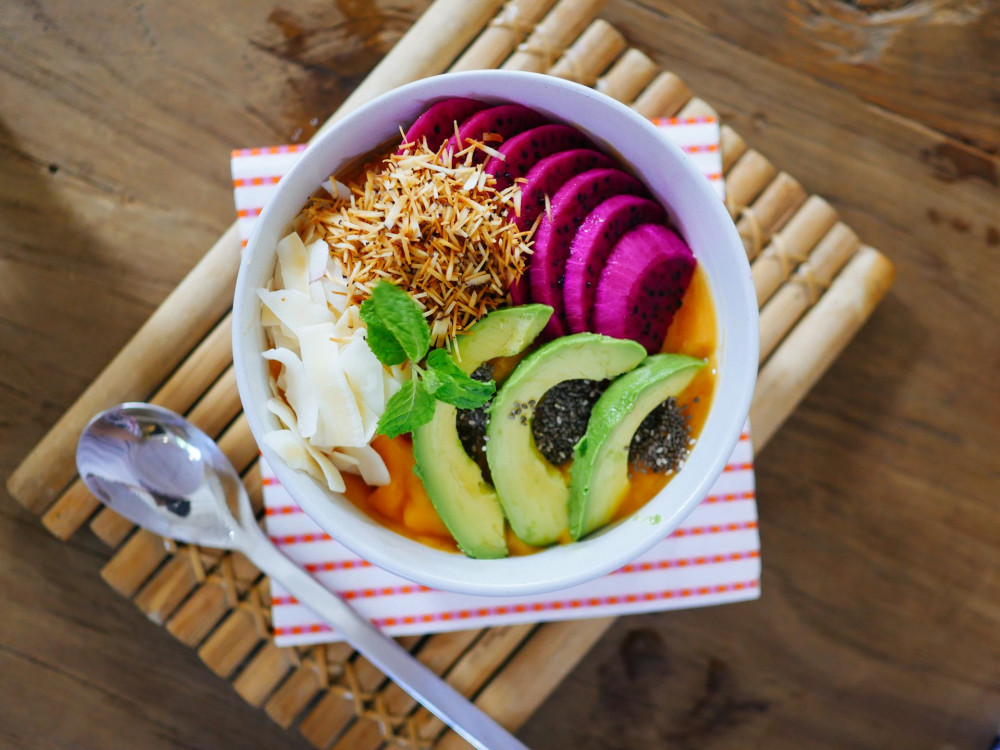
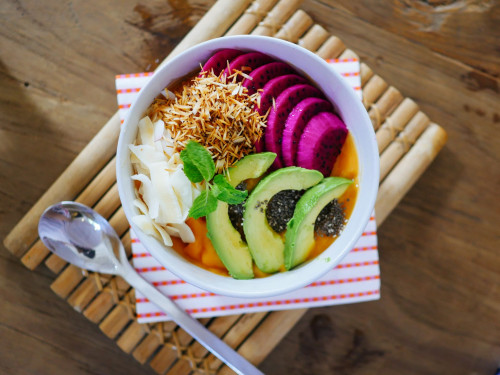
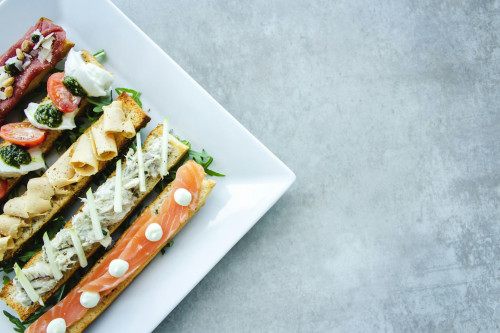
Healthy food doesn’t have to be boring. You can give your meals personality by drawing inspiration from the seasons and your own preferences. In summer, fresh salads with berries and herbs can take center stage, while winter calls for hearty soups and roasted root vegetables.
Try reinventing classics—make a lasagna with lentils instead of meat, a pizza with whole-grain crust and colorful vegetables, or a dessert with fruit and dark chocolate. It’s not about restriction, but about finding alternatives that feel just as satisfying.
A Sustainable Approach to Food Joy
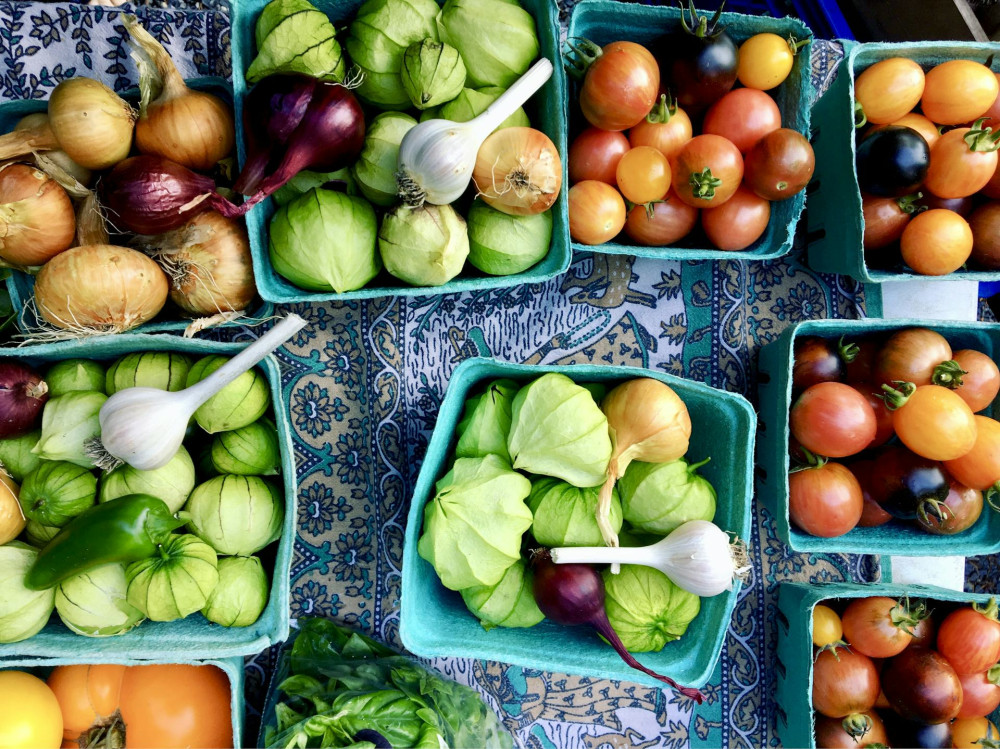
Eating with intention benefits not only your body but also the planet. Choosing local produce, reducing food waste, and eating more plant-based meals are all steps toward a healthier, more sustainable lifestyle. It adds another layer of satisfaction—the feeling of doing something good while enjoying it.
Finding the balance between health and flavor isn’t a one-time goal but an ongoing process. It’s about listening to your body, staying curious in the kitchen, and allowing yourself to take pleasure in food. When everyday meals become an experience, health becomes a natural part of life—not a duty, but a joy.
Læs også: