Eat Local – Make Your Everyday Life More Sustainable

Eat Local – Make Your Everyday Life More Sustainable
Eating local isn’t just about supporting nearby farmers and food producers – it’s also a simple, tangible way to make your everyday life more sustainable. When you choose food that’s grown, raised, and processed close to home, you reduce transportation emissions, cut down on packaging waste, and enjoy fresher, more flavorful ingredients. Here’s how you can start eating more locally – without making it complicated or expensive.
Why Choose Local Food?
Local food typically travels far fewer miles than imported products. That means less fuel used for transportation and refrigeration, and fewer greenhouse gas emissions. Because local produce is often harvested closer to peak ripeness, it tends to taste better and retain more nutrients.
Buying local also supports small farmers and producers who often use more sustainable growing methods. You help keep money in your community, preserve farmland, and strengthen local food systems.
In short: eating local is good for the planet, your health, and your neighborhood.
Læs også:




How to Find Local Ingredients
You don’t have to live in the countryside to eat local. Even in big cities, there are plenty of ways to find food grown or made nearby.
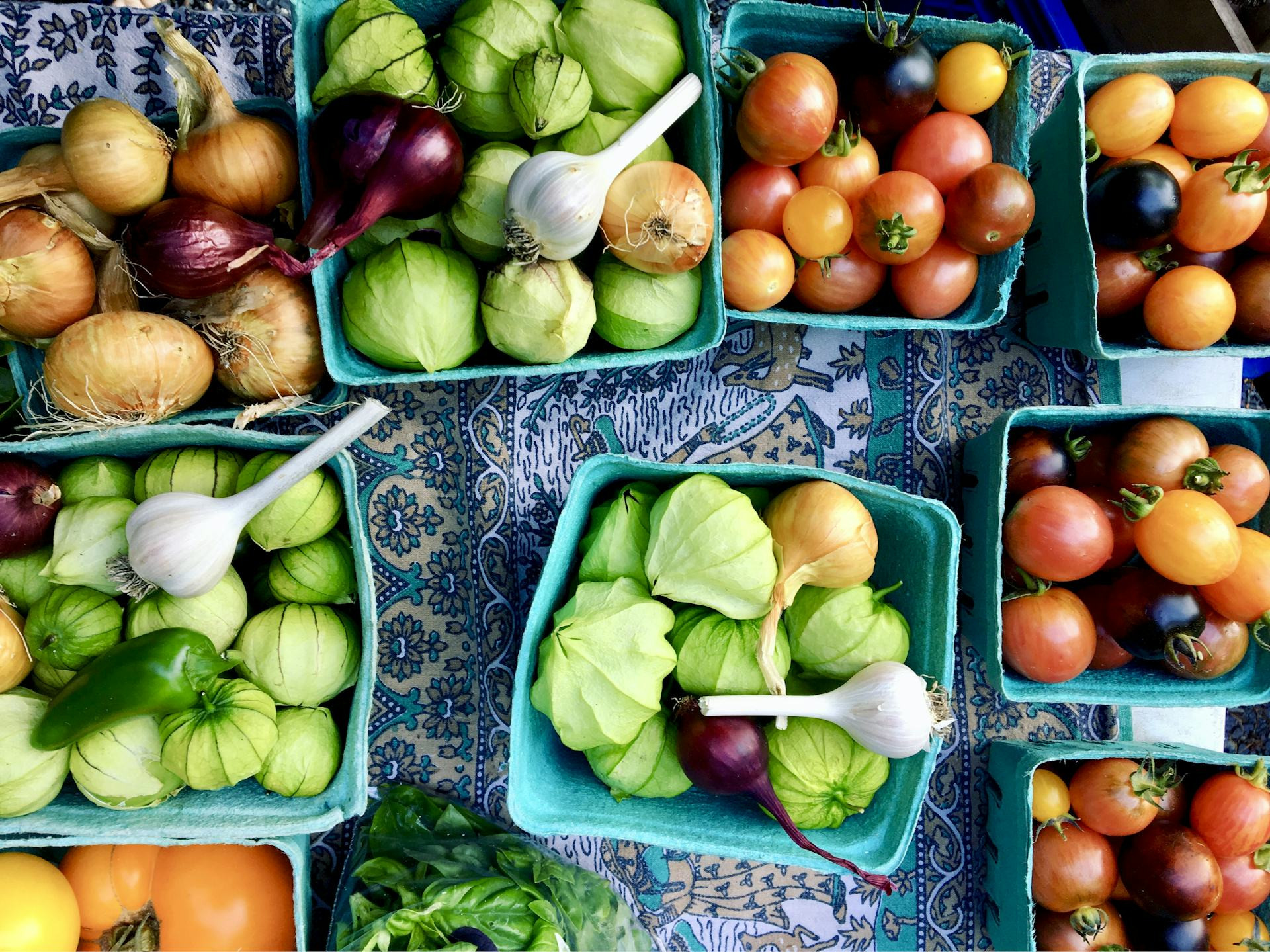
- Farmers markets – Most towns and cities have weekly markets where local farmers sell fresh produce, dairy, meat, and baked goods directly to consumers.
- Farm stands and local stores – Take a weekend drive to a nearby farm stand or co-op. You’ll often find seasonal fruits, vegetables, and homemade products.
- Community Supported Agriculture (CSA) – Many farms offer subscription boxes that deliver fresh, local produce to your door each week.
- Grocery stores with local sections – Many supermarkets now label products from nearby farms or producers. Look for signs like “locally grown” or “made in your state.”
By mixing and matching these options, you can easily fill your kitchen with local ingredients most of the year.
Eat with the Seasons
One of the easiest ways to eat local is to follow the rhythm of the seasons. When you buy fruits and vegetables that are in season where you live, you get better flavor, lower prices, and a smaller carbon footprint.
- Spring: asparagus, spinach, strawberries, and peas.
- Summer: tomatoes, corn, berries, and zucchini.
- Fall: apples, pumpkins, squash, and sweet potatoes.
- Winter: kale, carrots, onions, and root vegetables.
Eating seasonally also keeps your meals interesting. You’ll discover new recipes and ingredients that change throughout the year.
Cook from Scratch – and Use the Whole Ingredient
Local food often comes in its most natural form, giving you the chance to cook from scratch and avoid unnecessary packaging and additives. Try using every part of your produce – broccoli stems can go into soups, and beet greens make a great sautéed side dish. This reduces food waste and helps you get more value from your groceries.
If you have extra fruits or vegetables, try canning, freezing, or drying them. That way, you can enjoy local flavors even in the off-season.
Make It a Habit – Not a Hassle
Eating local shouldn’t feel like a chore. Start small: choose apples from a nearby orchard instead of imported ones, buy eggs from a local farm, or plan one meal a week around seasonal produce. As you get to know local producers and what’s in season, it becomes easier to plan your shopping and cooking.
Many people find that eating local brings more joy to their meals – because they know where their food comes from and who grew it.
Small Steps, Big Impact
You don’t have to change everything overnight to make a difference. Every time you choose local products, you’re supporting a more sustainable food system and sending a message that quality and environmental responsibility matter.
Eating local is a simple but powerful way to care for the planet – and to bring fresher, tastier food to your table. It’s sustainability you can feel in both your body and your conscience.
Læs også: