Play with Colors and Textures: Create Your Personal Expression in Ceramics

Play with Colors and Textures: Create Your Personal Expression in Ceramics
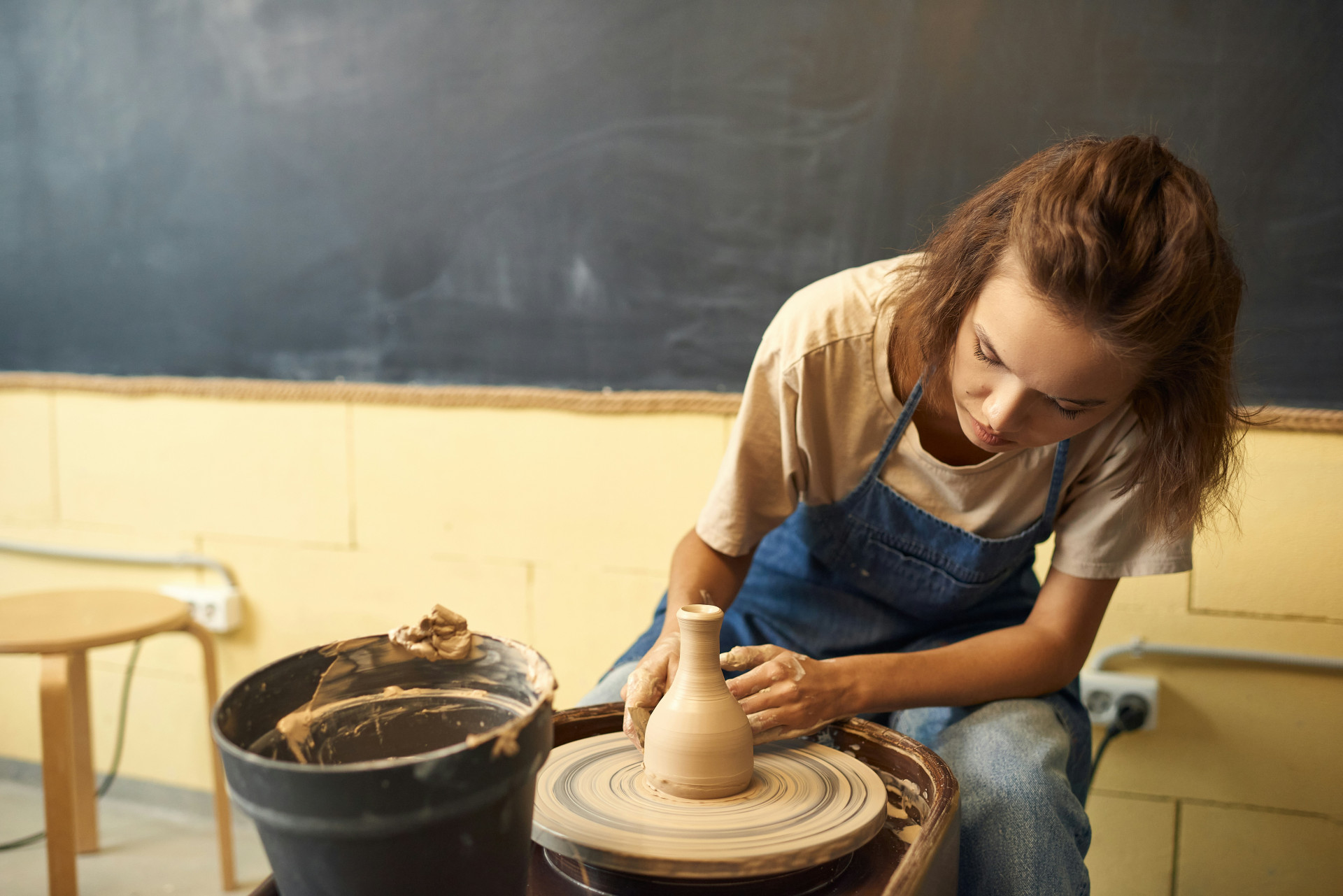
Ceramics is more than shape and function—it’s a craft where color, glaze, and texture allow you to express your personality. Whether you’re a beginner or an experienced potter, experimenting with color and surface can transform your work from simple to extraordinary. Here’s how you can play with colors and textures to create your own artistic voice in clay.
From Idea to Expression – Start with a Feeling
When beginning a new ceramic project, think in terms of mood rather than specific colors. Do you want your piece to feel calm and natural, or bold and eye-catching? A soft, matte surface in earthy tones conveys something entirely different from a glossy, deep blue glaze with metallic shimmer.
Try making a small test tile to explore different combinations. Seeing how colors and textures interact in real life helps you find the direction that best fits your vision.
The Magic of Glaze – When Chemistry Becomes Art
Glaze is the magical layer of ceramics. It protects the surface but also brings it to life. There are countless types of glazes—from transparent and matte to crystalline and reactive.
- Transparent glazes highlight the clay’s natural color and texture.
- Matte glazes create a soft, modern look that pairs beautifully with minimalist forms.
- Reactive glazes produce unpredictable color variations, where two hues melt together to form new shades.
If you work with stoneware or porcelain, try layering glazes. Applying multiple coats can result in subtle transitions or dramatic contrasts, depending on how they interact in the kiln.
Surface Texture – The Play Between Raw and Refined
The surface of your ceramic piece is just as important as its color. A rough, uneven texture can feel rustic and organic, while a smooth, polished finish gives a more refined and classic impression.
You can create texture in many ways:
- Press patterns into the clay using fabrics, leaves, or stamps.
- Apply colored slip (engobe) with a sponge or brush for a layered, painterly effect.
- Carve or scratch the surface before glazing to let color settle differently in each groove.
Don’t be afraid to experiment—some of the most interesting results happen when you let go of control and allow the material to surprise you.
Læs også:
Colors That Tell Stories
Colors evoke emotion, and in ceramics, they can tell stories. A set of mugs in muted greens and grays might recall forests and misty mornings, while bold contrasts in red and black can create a dramatic, modern statement.
Draw inspiration from the seasons, nature, or your own memories. Maybe a certain shade reminds you of a desert sunset, a coastal walk, or a favorite place. Let those associations guide your next creation.
When Imperfections Become Beauty
One of the most beautiful aspects of ceramics is its unpredictability. A glaze might run, a color might shift in the kiln, or a surface might develop small irregularities. Instead of seeing these as mistakes, embrace them as part of your piece’s character.
Many potters intentionally celebrate imperfection—what the Japanese call wabi-sabi, the beauty of the imperfect. These subtle irregularities give your work authenticity and soul.
Finding Your Signature Style
As you continue to experiment with color and texture, you’ll naturally develop a style that’s uniquely yours. Maybe it’s a particular palette you return to, or a distinctive way you handle surface detail.
The key is to keep playing and exploring. Ceramics isn’t just about technique—it’s about creating something that feels personal and genuine. When you find joy in the process, that energy will shine through in every piece you make.
Læs også: