Danish Jewelry Design in Transition – When Tradition Meets Modern Lifestyle

Danish Jewelry Design in Transition – When Tradition Meets Modern Lifestyle
For decades, Danish jewelry design has been celebrated for its clean lines, refined craftsmanship, and timeless elegance. From the sculptural silver pieces of the mid-20th century to today’s experimental forms and sustainable materials, Danish jewelry has always reflected the spirit of its time. Now, the industry is undergoing a new transformation—one where tradition meets the modern lifestyle, and where both designers and consumers are redefining what jewelry means in a contemporary world.
From Craftsmanship to Lifestyle Expression
Jewelry was once primarily seen as a symbol of status or heritage—something to be treasured and passed down through generations. Today, it has become just as much a form of personal expression, a way to communicate identity, values, and style. Many younger Danish designers are creating pieces that transition effortlessly from day to night, blending elegance with practicality to suit a flexible, modern way of living.
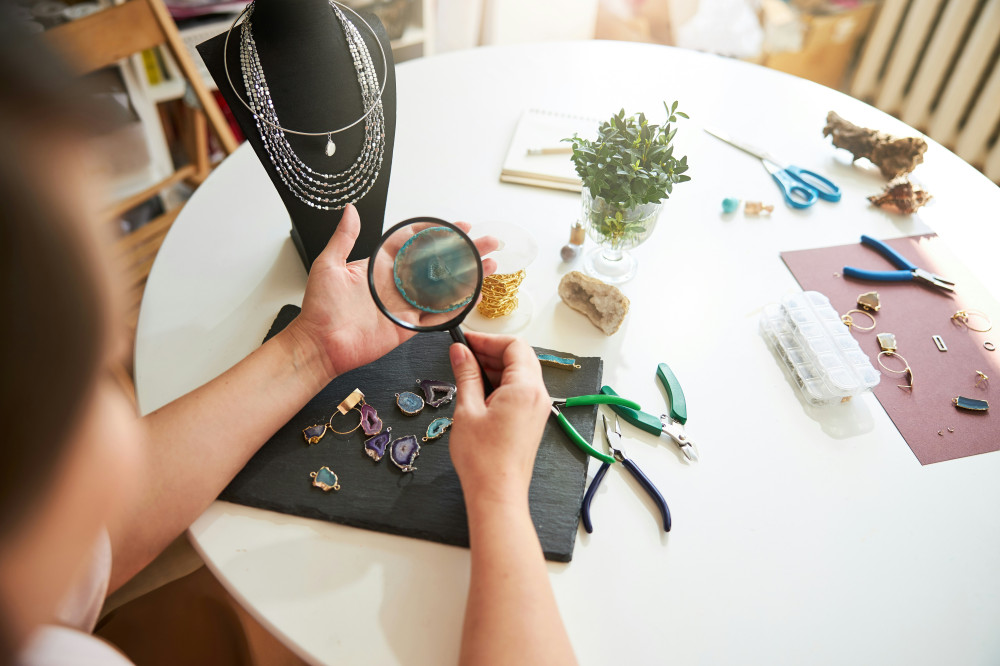
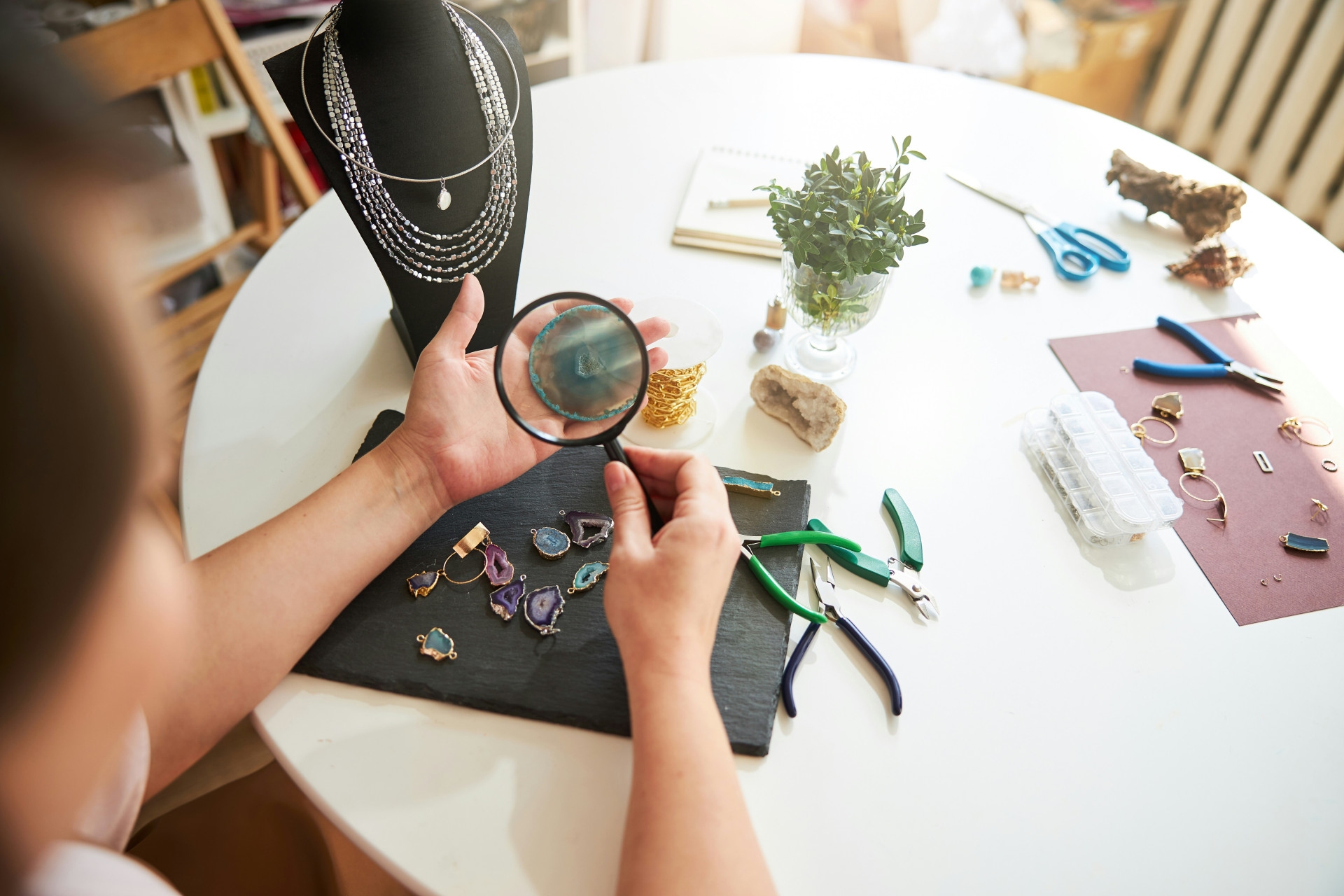
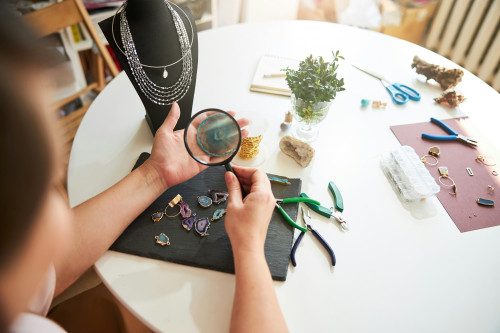
At the same time, there is a renewed appreciation for the handmade and the authentic. Consumers increasingly seek pieces with a story—objects that carry meaning beyond their material value. This shift has revitalized small workshops and independent goldsmiths across Denmark, who combine traditional techniques with contemporary aesthetics and materials.
Sustainability as a New Ideal
One of the most significant changes in Danish jewelry design revolves around sustainability. Where precious metals and gemstones were once sourced globally with little concern for their origins, today’s designers and customers are asking questions about provenance, labor conditions, and environmental impact.
Many Danish brands now work with recycled gold and silver, lab-grown diamonds, and traceable materials. For these designers, sustainability is not only an ethical choice but also an aesthetic one. The challenge of working responsibly often sparks new creativity, leading to innovative forms and unexpected combinations of materials.
The Role of Tradition in a Modern Context
Even as Danish jewelry design evolves, tradition remains a vital foundation. The legacy of design icons such as Georg Jensen, Hans Hansen, and Nanna Ditzel continues to influence today’s creators. The Scandinavian principles of minimalism, balance, and functionality still define the essence of Danish design.
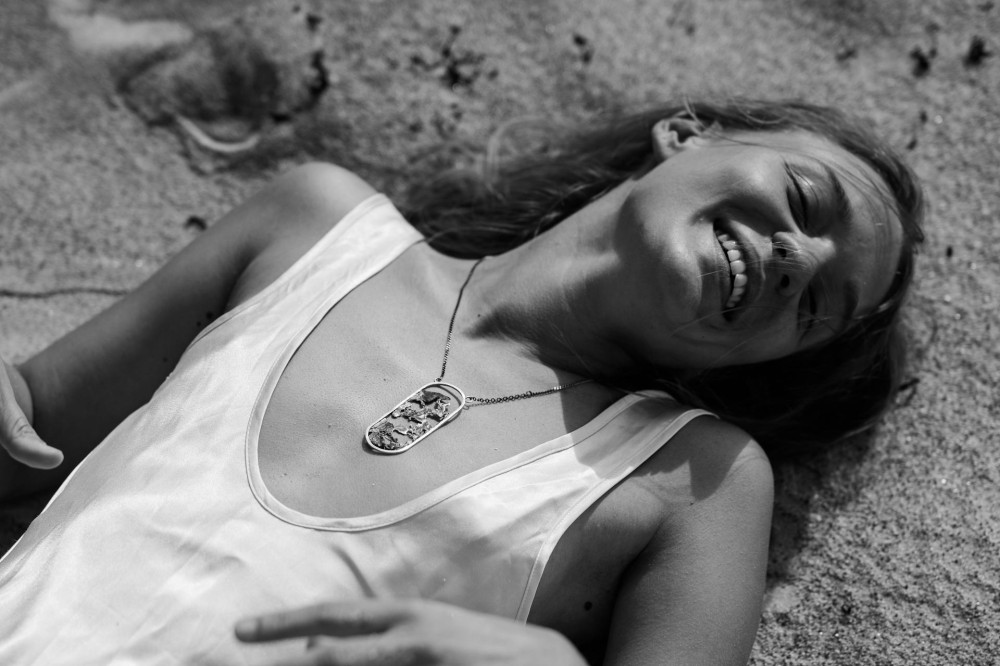
Yet, where earlier generations sought perfection and polish, contemporary designers embrace the raw, the imperfect, and the personal. Visible tool marks and organic textures are celebrated as signs of authenticity—proof that each piece has been shaped by human hands.
Jewelry as Storytelling and Connection
In an age shaped by digital communication and social media, jewelry has taken on a new role as a medium for storytelling. Many Danish designers use their collections to explore themes such as identity, gender, nature, and cultural heritage. Jewelry becomes more than adornment—it becomes a narrative, a small piece of art that carries meaning and emotion.
This evolution has also fostered a strong sense of community around Danish jewelry design. Pop-up exhibitions, design fairs, and cross-disciplinary collaborations bring together designers, artisans, and collectors, creating spaces for dialogue and innovation.
Læs også:

The Future of Danish Jewelry Design
The future of Danish jewelry design will likely be defined by balance: between tradition and innovation, craftsmanship and technology, luxury and responsibility. Digital tools such as 3D printing and computer-aided design are opening new creative possibilities, while the tactile quality of handmade work remains at the heart of the craft.
Danish jewelry design is in transition—but it is precisely in the meeting of the classic and the contemporary that its strength lies. In this intersection, Denmark’s design heritage continues to evolve and inspire, reaching far beyond its borders to captivate a global audience.
Læs også: